The cotton revolution

In many villages in Madurai district, cotton is more than just a crop./ Special Arrangement /  The Hindu
In many villages in Madurai district, cotton is more than just a crop./ Special Arrangement /
The Hindu

‘Paruthi’, an organic cotton brand, aims to promote rain-fed cotton, grown in Madurai, in the Indian fashion scenario

In 13 villages around Arasapatti near Tirumangalam in Madurai district, cotton is more than just a crop. It’s a symbol of life and livelihood for farmers in the black-soil belt, who have silently engaged themselves in a revolution to change the environment for the better. Nearly 400 farmers in the region have adopted organic cotton farming, saying a strict no to the usage of pesticides in their fields. From here the organic cotton cultivation extends into Mahalingam hills and the Western Ghats in Rajapalayam in Virudhunagar district and parts of Sivaganga and Ramnad districts.
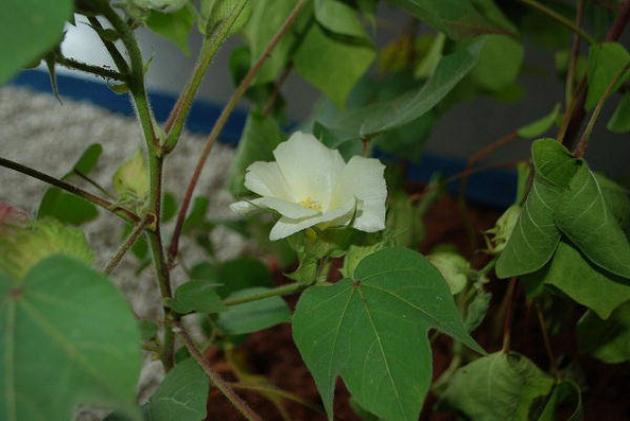
The cotton flower / Special Arrangement / The Hindu

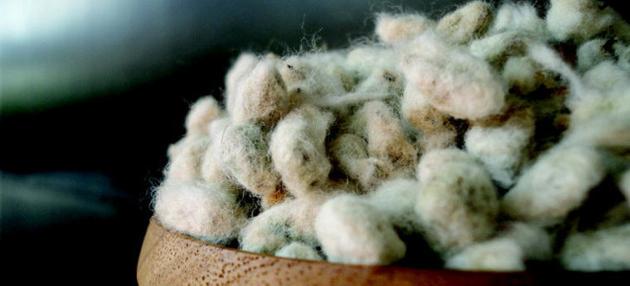
“The farmers follow rain-fed cotton farming that involves multiple-cropping technique. It’s a short-staple cotton variety coming from indigenous seeds,” explains N. Muthuvelayutham, Secretary, Covenant Centre for Development (CCD) – an NGO working with cotton farmers around Madurai since 2006 to inculcate organic practices. “Organic cotton farming is labour-intensive and not lucrative. The farmers have to be encouraged to continue with the age-old techniques.”
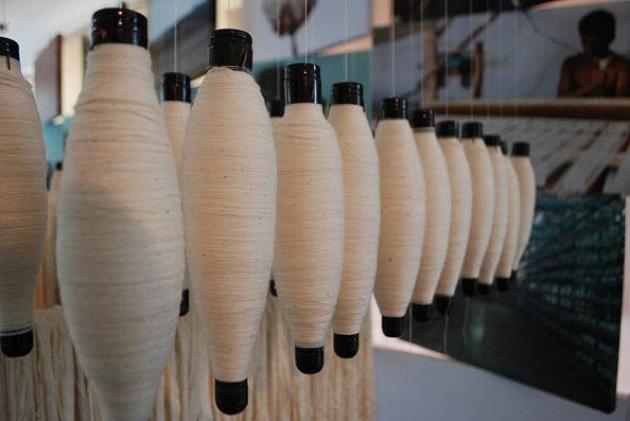
The farmers follow rain-fed cotton farming that involves multiple-cropping technique / Special Arrangement / The Hindu

This is where ‘Kapas’, a campaign by Upasana Design Studio at Auroville in Pondicherry helps the farmers. Started in 2007, the project promotes indigenous cotton varieties, organic farming techniques and aims to position short staple cotton as the market strength. “This will empower the fragile rain-fed cotton farmers of Tamil Nadu,” vouches Uma, the founder of Upasana. “Indian domestic market doesn’t recognize organic cotton,” she rues, “99 per cent of our cotton is genetically modified.” “Adoption of organic cotton is the answer to reduce carbon prints,” she asserts.
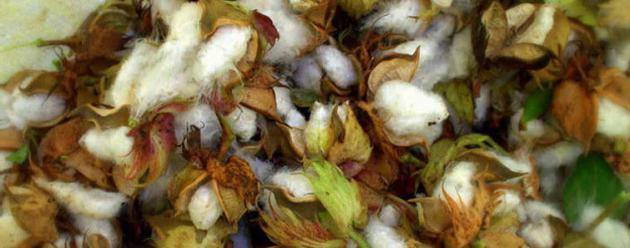
‘Paruthi’ is an organic cotton brand / Special Arrangement / The Hindu

Uma launched ‘Paruthi’ as an organic cotton brand to promote the produce in the Indian fashion scenario. “Though organic cotton is expensive, large scale adoption of it in the prêt line will contain the synthetic cotton’s invasion of the market,” explains Uma, adding, “Long-staple cotton yarn can also be done in organic method but not many are aware of it.”

Paruthi’s cotton is purchased directly from the farmers around Madurai and they are paid a premium price as an encouragement to remain organic.

Muthu says most fall prey to genetically modified BT cotton seeds in order to achieve greater yields. But that spoils the soil and the environment as it involves usage of harmful pesticides“In organic farming, a range of cash crops, fodder and firewood crops that are natural pest-repellents are grown along with cotton. While the indigenous cotton seeds can be reused, the BT variety has to be bought afresh every sowing season.”

However, organic farming can only be done in rain-fed areas and not in irrigated-farmlands and that is what dissuades a farmer from growing short-staple organic cotton. “It hardly fetches profit for the investments he makes in irrigation facilities,” says Muthu.

A documentary shot by the Kapas team shows the ill effects of the pesticides and BT cotton seeds on the environment, soil and the health of farmers. Most times the pesticides fail to kill pests but the farmer ends up buying the expensive ones andlands in debts. The video also explains the causes for farmers’ suicides in the black-soil region in Vidharbha, Maharashtra. “Minor changes in farming technique can increase the yield and quality of organic cotton. In line sowing method, just 10 Kg of seeds is enough to give 200 Kg of cotton per acre,” says Muthu.

“The quality of cotton depends on picking. Cotton picked in jute gunny bags get spoilt as the fabric fibres get frizzed and contaminated.” The CCD has formed a group ‘Sevaipatti Organic Farmers Federation’ and assists the farmers with clean cotton bags for picking the fibre.
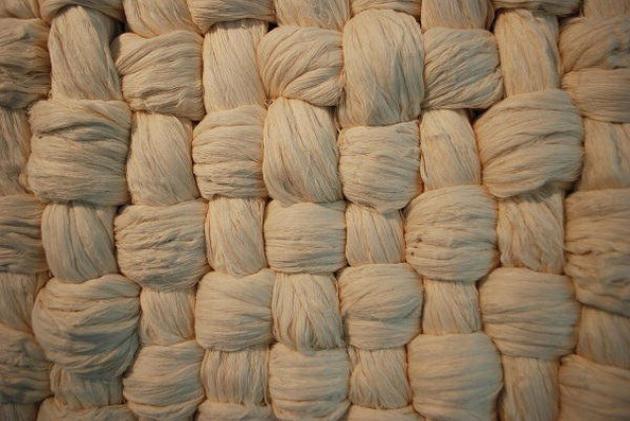
Today, 400-odd farmers spin their own yarns and weave them in handlooms / Special Arrangement / The Hindu

Today, 400-odd farmers spin their own yarns and weave them in handlooms at G. Kallupatti, provided by an NGO – ‘Reaching the Unreached of Indian Villages’ which has been working in the sector for 36 years. “The hoarse varieties are exported to Japanese companies that make kitchen wears like aprons, hand-cloves and napkins,” says Muthu. “And the finer cotton is sent to Upasana’s Kapas project under which it is designed and developed into clothes. Paruthi positions itself as a designer label yet aims to reach the masses. Currently Paruthi cotton is being marketed through 20 retail outlets in 11 cities across the country. “We conduct events, auditions and promotions for the brand. We will soon be launching a line of organic-cotton-made clothing with medicinal properties,” informs Uma.

So, the next time you purchase a cotton garment try to get an organic piece that’ll remind you of the need to change!

source: http://www.thehindu.com / The Hindu / Home> Features> MetroPlus / by A. Shrikumar / Madurai – June 19th, 2013
Tamil Nadu to upgrade power transmission with Japanese aid

Tamil Nadu  Chief Minister J. Jayalalithaa  Wednesday said a new project to improve the power transmission in the state will be implemented with the financial assistance of  Japan International Co-operation Agency (JICA).

She also requested JICA for a line of credit to for viability gap funding and credit to private parties in infrastructure projects.

In a statement issued here by the government, Jayalalithaa, during her meeting with a JICA delegation led by its president Akihiko Tanaka, said: “This year, a new Tamil Nadu Transmission System Improvement Project with a JICA loan of Rs.3,410 crore rupees (607.40 billion yen) is to be implemented.”

She told the delegation the project will greatly help strengthen the power transmission network in the state as 6,000 MW of fresh power generation capacity is expected to be commissioned within next one or two years.

Jayalalithaa said JICA’s assistance to ongoing projects in Tamil Nadu includes the Tamil Nadu Urban Infrastructure Project being implemented at a total cost of Rs.345 crore (JICA line of credit is around Rs.300 crore); the Tamil Nadu Bio Diversity Conservation and Greening Project at a total cost of Rs.700 crore; and the Chennai Metro Rail Project for which JICA loan is Rs.8,646 crore.

Expressing satisfaction at the progress of these projects, she also hoped that JICA would consider partnering with the state and funding next year projects like the Chennai Waterways Restoration Project, components of the State Highways Development Project, upgrading Urban Infrastructure in Extended Areas of Chennai, and the Madurai-Thoothukudi Industrial Corridor.

Jayalalithaa requested JICA to assist the Project Preparation Fund of the Tamil Nadu Infrastructure Development Board so as to help project development of bankable public-private-partnership (PPP) projects.

She also requested JICA on the possibility of a separate line of credit for viability gap funding by the Tamil Nadu Infrastructure Development Fund to implement PPP projects and also provide long term financing directly to private sector developers to enable them to reach financial closure early.

During the meeting, Tanaka said Tamil Nadu has great potential to become the hub of industrial growth in the Indian Ocean region and promised support for infrastructure projects in the state.

source: http://www.business-standard.com / Business Standard / Home> News-IANS> Diplomacy / IANS- Chennai, June 19th, 2013

Ghazals in Tamil


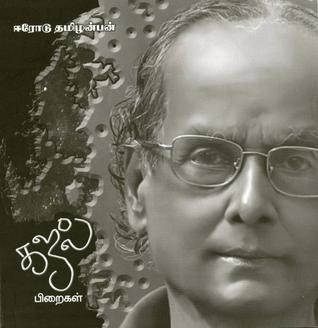
Kazhal Piraigal. Author: Erode Tamillanban./ The Hindu

An ardent fan of the ghazal, the musically poetic genre of Urdu literature, Erode Thamizhanban tries his hand at the form in Tamil. He emerges with a fair amount of success, the lines reflecting myriad feelings, mostly inclined to love, often suggesting the unrequited kind. The longing and helplessness of a wounded heart come across quite powerfully.

“Tamil is replete with scope for new creative efforts but this is my humble contribution towards expanding the horizon of my mother tongue,” says the writer in his introduction, his brush with Urdu poetry going back many years. Long time literary associate Sajjad Bhukhari, vice-president, State Urdu Academy, Amjad Ali of Erode, and Ahmed Basha, professor with Jamal Mohammed College, introduced the nuances of Urdu poetry.

Sajjad Bhukari has translated five of the Tamil ghazals into Urdu, a surprise addition that gives Thamizhanban’s work perfect endorsement.

Ghazal Piraigal – Erode Thamizhanban – Pablo Bharati Publishers – 95, Second Main Road, Porur Garden, Second Stage, Chennai 600095. Rs. 200.

source: http://www.thehindu.com / The Hindu / Home> Books / by Geetha Venkatramanan / June 20th, 2013

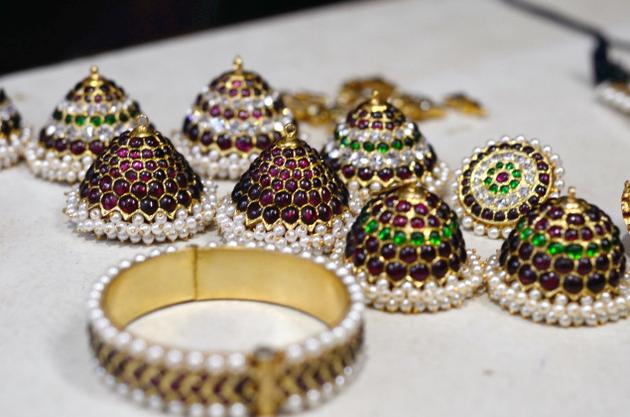
Inside Story : The craft of jewels

Temple jewellery / Special Arrangement / The Hindu

It was designed for the deities at the temples. And devadasis adorned them when they danced in these temples. Their hair ornaments — sun- and moon-shaped forming a part of the nethichutti; the big jimikkis sparkling with red stones and twirling along with the dancers’ moves; ornate but delicately carved maatalsclinging to their long thick hair; necklaces glowing with precious stones in red and green, with pearls dangling in the pendants; odiyaanams clasping their slender waists… the jewellery created here was both unique and bold.

Designed for gods and goddesses, and worn by these dancers, temple jewellery is hand-crafted by a talented lot of acharys or goldsmiths in a small region called Vadassery in Nagercoil. I journey to this town near Kanyakumari to meet the craftsmen.

Temple Jewellery / by Special Arrangement / The Hindu

As I enter the main market in Nagercoil, the lure of the yellow metal is everywhere. A young bride beams from a tacky hoarding, sparkling in gold from head to toe. It is a beautiful sunny morning, and I am in the mood to buy jewellery. But I am unable to find even a single piece of temple jewellery. Finally, an owner of a jewellery store scribbles a name on a piece of paper and gives me the directions to a small locality, which is the hub of the craft.

The streets get narrower and narrower. We decide to explore the place by foot and I get a close look at the cramped row houses lining the streets. Finally, we knock on the doors of Manickam Achary whose family has been crafting temple jewellery for several generations now. His son Muthu Sivam welcomes us warmly inside .

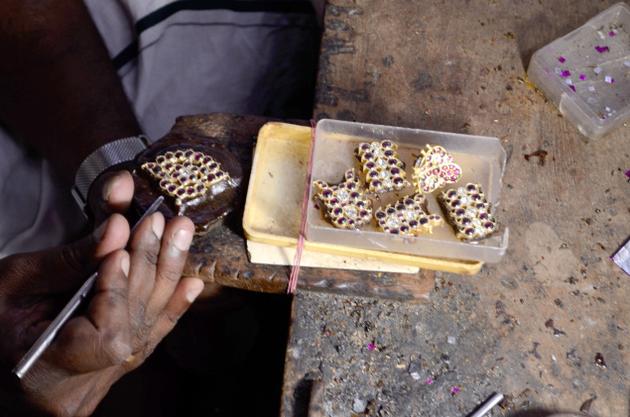
It is a humble home with plenty of sunlight streaming in. Sitting next to a window are two craftsmen, carefully placing red stones on a raakodi, a hair ornament typical of this form of jewellery, worn by dancers and brides, and a favourite of children with long braided hair.

Muthu Sivam unwraps a silk cloth and unveils the gems and jewels. A prized possession of Bharatanatyam and Kuchipudi dancers, temple jewellery comes with bold designs and large motifs inspired by traditional and mythological symbols. You will find a dazzling peacock or a swan studded with stones or a bejewelled snake with its hood up as a pendant.

Muthu Sivam tells me that his father won a National Award for the craft, but today there are barely 50 goldsmiths in the locality who practise the art. They largely work on orders, with some of the pieces sold in Chennai and some orders, as his website shows, come from abroad as well. I learn a little more about the craft from him.

Traditional temple jewellery was made with silver and finished with gold leaf, while some jewellers used copper as well. With the demand for the yellow metal going up, the basic frame is crafted in gold and the stones are then placed and finished with gold leaf. From rubies and jade to garnets and coloured glass stones, several precious stones are used as well.

Watching the men working on the raakodi, I lose myself in the intricate design, remembering the rounded jimikkis and the ornate maatal my mother bought for me as a 10-year-old. And while it may be true that all that glitters is not always gold, it hardly matters here, for it is the craftsmanship that is most precious.

source: http://www.thehindu.com / The Hindu / Home> Features> MetroPlus> Travel / by Lakshmi Sharath / June 14th, 2013

Classic Polo opens at Sivakasi

Casual menswear brand Classic Polo, by Royal Classic Group (RCG), has opened its new outlet at Sri Kaleeswari mall at Sivakasi. It is the company’s first outlet in the city, taking the store count of the brand in Tamil Nadu to a total of 26.

Spread over 320 sq.ft., the outlet will retail the entire collection of Classic Polo t-shirts, shirts, trousers, denims, loungewear, and accessories.

classic-poloCF02jul2013

Speaking on the occasion, Ramesh Kheni, Senior Vice President Retail, Classic Polo, said: “The focus of the company is towards exclusive retail stores with focus on building consumer relationship and matching customers’ expectations. The brand now has 58 exclusive showrooms across India and most of the new showrooms will be located in malls. The group is now planning to add 15 more showrooms in Tamil Nadu this fiscal.”

Usha Periyasamy, Vice President Brands & Operations, Classic Polo, stated: “We are happy to serve the rising fashion needs of Sivakasi. We are sure that the old and young alike will welcome Royal Classic fashion in town.”

Classic Polo offers functional yet fashionably casual range for men catering to consumer preferences and targeting the 20-35 age group. The brand range today, comprises t-shirts, shirts, trousers, jackets, sweaters, denim, sportswear, lounge wear, innerwear, and accessories. Classic Polo is available at 58 exclusive stores, 4,500 MBOs and 75 large format stores such as Shoppers Stop, Central, Globus, Pantaloon, and Reliance.

-IndiaRetailing Bureau

source: http://www.indiaretailing.com / Home> India / June 13th, 2013

Malaysian Eateries Flourishing In Chennai

Chennai  : (Bernama)

Malaysian eateries are flourishing in the Indian city of Chennai, amid its close proximity to the country.

The latest to enter the foray is, Sri Ananda Chettinad Curry House, which offers an array of Malaysian dishes.

“Nasi lemak, mee goreng, Maggi goreng,pasembur, roti bom and roti tisu are among the more famous dishes, on offer for our patrons here,” the restaurant’s owner and founder, V. Harikrishnan said.

The restaurant is strategically located in the heart of T. Nagar’s Pondy Bazaar in Chennai, Tamilnadu’s capital city. It is also approximately 14 kilometres from the airport, six kilometres from the Central Railway Station and 3.5 kilometres from the Malaysian Consulate General.

Opened on May 29, the restaurant cum lodge, “Hotel Malaysia Inn,” has been attracting a good number of customers.

“They are either Malaysians in Chennai or the increasing number of travellers to the city, locals who know and love Malaysian food, as well as those who want to try out a new eatery,” he told Bernama in an interview, here today.

The Nasi Kandar Pelita restaurant was among the first to venture into Chennai about a decade ago, followed by a few other chains, including New Town Coffee House.

The talk of the town is that, there are a few more such Malaysian restaurants, set to open in Chennai in the near future.

“There is room for a few more Malaysian-style restaurants here as long as you provide good food with a clean environment.

“In my restaurant, the advantage is that almost all the workers were trained in Malaysia. Some can even speak Bahasa Malaysia fluently. So, Malaysians will feel right at home here.

“At the same time, some key ingredients are brought in from Malaysia, to ensure the taste is top notch,” said Harikrishnan.

Sri Ananda Chettinad Curry House is also Halal certified.

He said location is another factor, adding, he had been eyeing the market in Chennai since 2007.

“I wanted a good location. It took me sometime before I could find one to house the restaurant and hotel,” he added

On the hotel, he said, it has 24 air-conditioned rooms, with 16 being double room deluxe and the rest, executive suits.

Asked if there are plans to open more such restaurants with a similar concept in the near future, Harikrishnan said the focus for now was on the Chennai outlet, although there was a request to open one in Bangalore.

“With this latest Chennai venture, we now have a total of 12 restaurants, of which 11 are in various places in Malaysia. This is already a handful,” he added.

In Malaysia, the Sri Ananda Chettinad Curry House goes by the name, “Sri Ananda Bahwan,”, established in 1991, with the first outlet in Butterworth, Penang.

source: http://www.bernama.com.my / National News Agency of Malaysia / Home> Business> News / by Saraswathi Muniappan / Chennai – June 23rd, 2013

— BERNAMA

Cooking ‘Nalla Soru’ with small millets

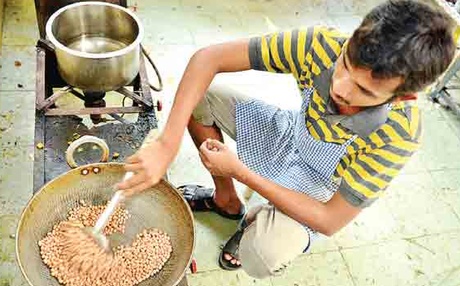
A ‘Nalla Soru’ member preparing traditional food | R Satish Babu

When Rajamurugan, a catering graduate, was mulling an alternative for junk food, he hit upon the idea of bringing nutritious small millets into the modern day cooking menu.

Thus was born ‘Nalla Soru’,  with a team of five members, all aged between 25 and 30, from different parts of Tamil Nadu.

“During my college days, I used to take part in several cooking competitions. I prepared food items using small millets and herbs. I used athimadhuram instead of sugar in halwas. My innovative cooking skills were appreciated by many and I won many prizes. That inspired me to take up this venture,” said Rajamurugan.

Coming from a family of agriculturists, Rajamurugan completed his masters in Business Administration and was pondering over starting a food processing firm.

While on the Tata Jagriti Yatra — an 18-day rail tour across India — Rajamurugan got introduced to a team ‘Nalla Keerai’ from Chennai that produced green leaves and vegetables through organic farming. That was when the idea of starting ‘Nalla Soru’ struck him. From then on, there was no turning back for him and his team.

“Making millets as a wholesome food item is our vision. By using small millets such as thinai (foxtail millet), saamai (little millet), varagu (Kodo), pani varagu (proso millet), kudhiraivaali (barnyard millet), ragi (finger millet), kambu (pearl millet) and solam (jowar), we are now able to cook more than 150 traditional food items. We conceptualised this in 2005, but implemented it only a year before,” he said.

“There are many preparing similar kind of traditional food items. But we are the only team using only small millets in our preparation.” The small millets and other required ingredients are brought from areas such as Tirumangalam in Madurai, Thanjavur and several other places from Andhra Pradesh. Vegetables used in the food are grown by organic farming method. “We only use mud pots for cooking,” he said.

Adding that traditional dishes are still in vogue in several parts of Kongu region and Madurai, he said, “Sunduvara Rasam and Kozhi Saru in Kongu and Madurai respectively would be given to women post-delivery, as they cleanse the uterus.”

In parts of Madurai and Thanjavur, Ulunthangkali is given to girls who attain puberty and in Kongu region, Karuppatti Pottukkadalai mix is the most preferred.

The protein and iron rich food items will protect girls from becoming anaemic,” Rajamurugan said. “We must pass on the benefits of traditional food items to future generations. I am in the process of writing a book on these food preparations,” he added.

But how much will these food items cost? “Less than a pizza, burger or noodles,” Rajamurugan quipped.

source: http://www.newindianexpress.com / The New Indian Express / Home> Cities> Chennai / by N Vinoth Kumar – Chennai / January 03rd, 2013

MTS Expands Its High Speed Data Footprint in Tamil Nadu

Sistema Shyam TeleServices Limited (SSTL) that provides telecom services under the MTS brand has announced the launch of its high-speed mobile broadband service, MBlaze in 37 new towns across Tamil Nadu  – Neyveli, Sathyamangalam, Tindivanam, Viluppuram, Rasipuram, Pattukkottai, Tenkasi, Udumalaipettai, Oddanchatram, Periyakulam, Sivaganga, Kallakkurichi, Virudhachalam, Gobichettipalayam, Sankarankoil, Mayiladuthurai,  Surandai, Arakonam, Omalur, Pallipalayam, Panruti, Andipatti Jakkampatti, Pavoor chatram, Avaniapuram, Batlagundu, Chinnalapatti, Keelakarai, Othakadai, Sokalampatti, Thirupuvanam, Thirupathur, Tiruvethipuram, Papanasam, Pattamadai, Perur-Chettipalayam, Nallur and Thirunageswaram.  With this roll out, MTS has expanded its high speed data footprint to over 140 towns across Tamil Nadu.

According to Suresh S Kumar, Chief Operating Officer Tamil Nadu Circle, MTS India, “MTS is focused on expanding its high speed data network across the country. As a part of the same endeavor, I am proud to announce the launch of MBlaze services in 37 new towns in Tamil Nadu. This latest expansion will enable MTS data customers to experience state-of-the-art high speed data services including Live TV and Games-on-Demand”. Adding further, Suresh said, “MTS has over 1,75,000 data customers across Tamil Nadu and with further expansion in our HSD footprint in the state, we expect to add many more customers in the next few months”.

source: http://www.lightreading.in / Light Reading India / Home> News Wire Feed / June 20th, 2013

HIDDEN 100 : Where Sullivan lost his heart

 Kannerimukku is where John Sullivan fell in love with the hills and discovered Ooty, writes SUBHA J RAO

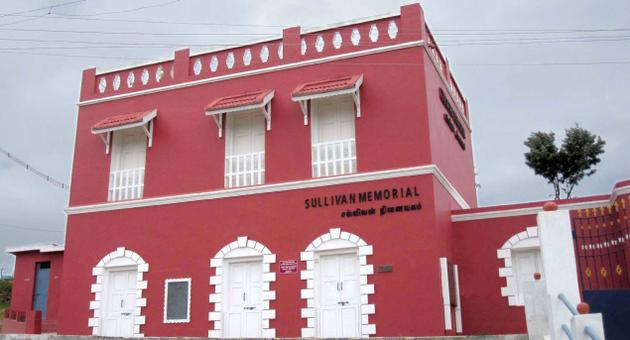
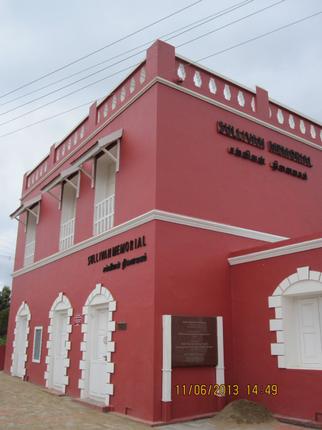
Sullivan Memorial./ Photo: Subha J Rao / The Hindu

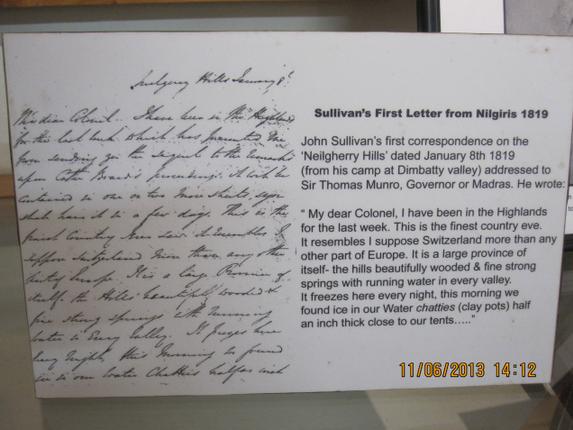
January 8, 1819, Dimbatty Valley. Sitting in a valley kissed by the clouds, Collector of Coimbatore, John Sullivan, 31, wrote to Sir Thomas Munro, Governor of Madras: “My dear Colonel, I have been in the Highlands for the last week. This is the finest country… it resembles I suppose Switzerland more than any other part of Europe… it freezes here every night, this morning we found ice in our Water chatties (clay pots).”

Sullivan's first letter from Nilgiris. Photo: Subha J Rao
Sullivan’s first letter from Nilgiris. Photo: Subha J Rao

Nearly two centuries later, the valley still retains part of the charm that captivated Sullivan, who went on to found Ooty, the first hill station in India. On a wet June afternoon, the tea plantations and vegetable patches shimmer a bright green. In a way, they are a tribute to Sullivan. For, it was he who introduced European fruit trees, vegetables and flowers to the hills and suggested that the British cultivate tea there.

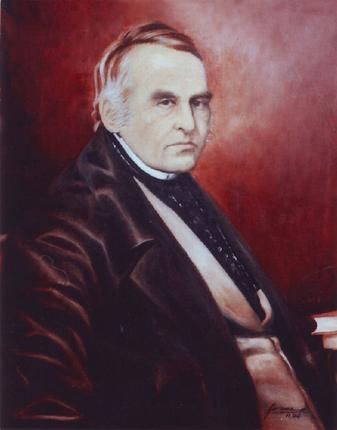
John Sullivan./ Photo: Special Arrangement

When he first trekked up the Neilgherry (as the Nilgiris were then known) with a contingent of soldiers, elephants and ponies (who were disbanded halfway), it was through dense shola-filled forests and steep cliffs. During his second visit to Dimbatty (which means soft, pillow like) valley, Sullivan set up a camp. Later, it became a two-storey structure called Pethakal bungalow, named after a sacred stone that existed there. Sullivan lived there till 1823. In the five-acre property, he experimented with cultivation of potato and other English vegetables such as cabbage, beetroot and carrot. In the 1820s, the spud finally made its appearance in Ooty.

Today, the area is called Kannerimukku. You drive past winding roads, mist-soaked mountains, tea factories and tiled houses to reach the memorial, resplendent in brick red against a sea of green. When Dharmalingam Venugopal, director of the John Sullivan Memorial and Nilgiri History Museum (now housed in the Memorial), first saw it, it was crumbling, a pale shadow of the edifice it once was. In the years leading to its ruin, it was ironically used to store hay and the very potato that Sullivan introduced!

Today, with Government funds (the Hill Area Development Programme) and private donations, it stands two-storeys tall; the rooms hold a treasure trove of material about Sullivan and his family, the role of the British in the Nilgiris and the traditions of the local tribes.

There’s an original pencil sketch of John Sullivan, drawn when he was a lad of 15, before he set out for India. It was donated by historian and writer, David Sullivan, his great great-grandson.

There are also some exhibits collected by Venugopal that show you what life in the hills used to be like. A Badaga wooden food plate polished with use, hunting tools of local tribes, the bugiri, a cane flute used by communities in the Nilgiris, photographs of the local tribes by the self-taught Philo Hiruthayanath….

The section on the modes of communication and transportation in the hills is an eye-opener. The Nilgiris had six entry points (Sispara Ghat, Mulli, Gudalur, Sigur, Coonoor and Kotagiri) at a time when most hill stations had two. Today, five remain open; the original Sispara Ghat that connected it to Calicut has been closed. And, how did people travel? By foot, horseback, palanquin and tonga.

The Sullivan Memorial in Konnerimukku /  Photo: Subha J Rao
The Sullivan Memorial in Konnerimukku / Photo: Subha J Rao

Though the Memorial is located just two km off Kotagiri, this is not a road regular tourists tread. But, there’s every reason why they should. Because, this is where it all began, years ago on a cold January day.

(June 15 marks John Sullivan’s 225th birth anniversary. The Nilgiri Documentation Centre, which works out of Sullivan Memorial, organises a two-day trek on June 15 and 16 to retrace the Sullivan trail.)

Getting there

Drive up to Kotagiri, about 75 km from Coimbatore. Take the road leading to Ooty. The memorial is two km from Kotagiri, past Ramchand Square and Kotagiri Medical Fellowship.

What to do

Read the well-documented panels at the memorial (http://www.sullivanmemorial.org/) that throw the spotlight on the making of a hill station.

Browse through the books on the Nilgiris that Venugopal has collected.

Visit the Ooty lake, created by Sullivan, and Stonehouse, where he lived. It now houses the Government Arts College. Plan a trip to St. Stephen’s Church, Ooty, where Sullivan’s wife Henrietta and eldest daughter Harriet are buried.

Where to stay

Kotagiri has many good hotels and homestays. Else, stay in Ooty (32 km) and drive down to the Memorial on your way back to the plains.

source: http://www.thehindu.com / The Hindu / Home> Feature> MetroPlus> Travel / by Subha J Rao / June 13th, 2013

Shruti Haasan relives grandpa’s memories

In Tamil Nadu on work, Shruti Haasan recently managed to take some time off to visit her grandfather’s native place

It’s always nice when you can mix business with pleasure. Thanks to one of her brand commitments, Shruti Haasan made a quick trip to Tamil Nadu, and managed to take some time off to visit the city of Ramanathapuram.

Shruti-HaasanCF27jun2013

The actress has spent some of her childhood days there, in the company of her grandfather D Srinivasan.

A source says, “Shruti had gone to Tamil Nadu for a product launch. She took a break to visit Ramanathapuram. She would often long to go there but was unable to do so because of her hectic schedule.”

Her quick visit triggered a flurry of fond memories for the actress. Says Shruti, “My grandfather was a lawyer and I visited the court where he fought his cases. It was a very proud moment for me.”

source: http://www.mid-day.com / Mid Day / Home> Entertainment / by Sonali Joshi Pitale / Mumbai – June 13th, 2013